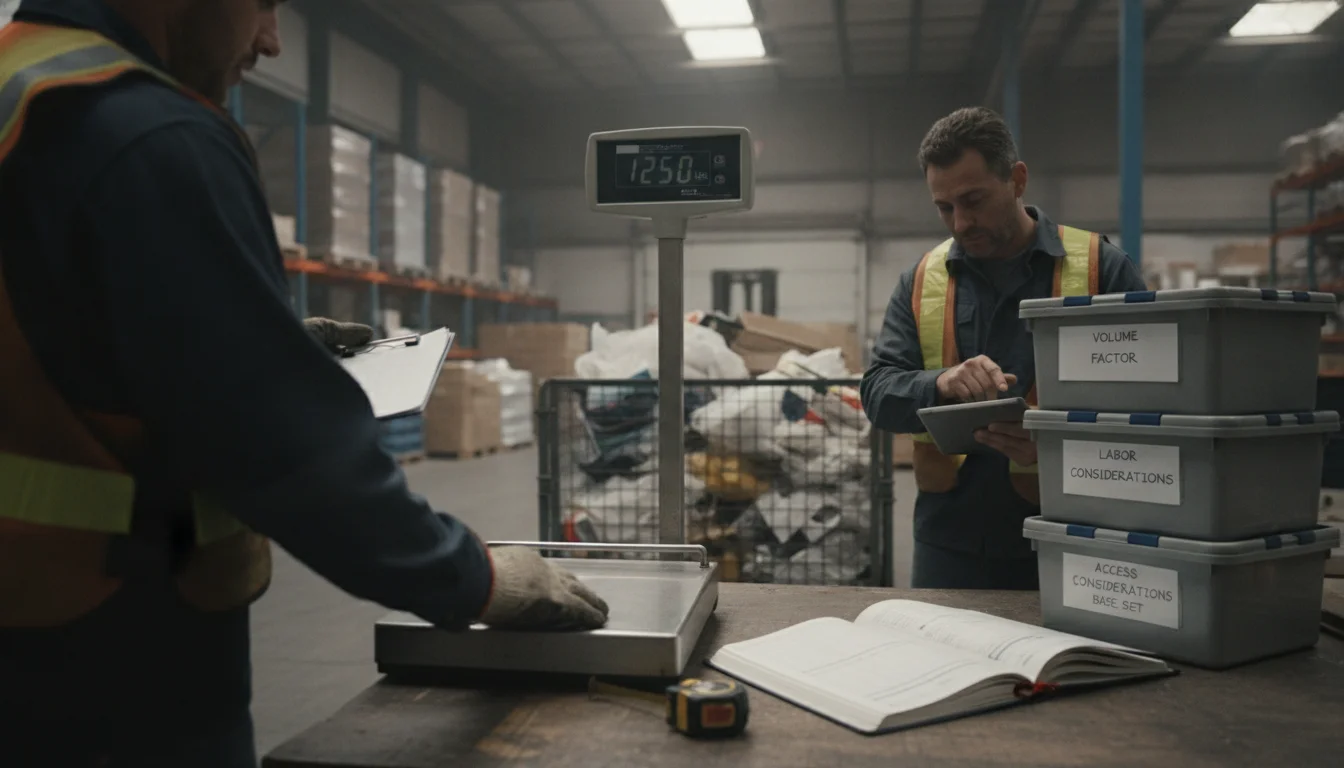
A warehouse cleanup service covers a pre-clean walkthrough, a defined scope, safe dismantling, organized loading and hauling, recycling streams, and a final sweep with documentation, all scheduled to limit downtime. In Waukesha, this means planning around dock times and shifts so your floor stays safe, clear, and ready for ongoing operations.
Looking for a straightforward plan to clear pallets, racking, and bulky debris without stopping work in Waukesha? This guide explains how pros do it, step by step, so you can schedule confidently and keep your team moving.
Table of Contents
- What does a warehouse cleanup service include from start to finish?
- How do professionals handle pallets, racking, and bulky debris?
- What equipment and safety standards are used on commercial sites?
- Can a warehouse cleanup service manage hazardous or e-waste properly?
- How is pricing calculated and what affects the final cost?
- What scheduling options minimize downtime for operations?
- How should you prepare your facility before the crew arrives?
- Frequently Asked Questions
- Key takeaways
- Conclusion
What does a warehouse cleanup service include from start to finish?
A full service begins with a pre-clean walkthrough. The crew lead reviews access, dock height, the floor plan, and safety notes. They confirm what stays and what goes, map a load path, and set staging areas. This quick step keeps the project organized, efficient, and safe from the first load to the last.
Next comes the scope. The scope lists zones, item types, and any add-ons. Common line items include rack dismantling, pallet stack removal, loose shrink wrap, old conveyors, and scrap metal. It also notes your recordkeeping needs, from a load log and photos to e-waste certificates. The team confirms a start time and crew size.
Work proceeds in defined zones. Pros isolate a small area, tag items, and start the breakdown. Pallets stack to spec. Loose trash goes to carts. Metals stage in one pile, cardboard in another. Bulky items are cut or unbolted methodically. The aim is clear lanes and zero trip hazards as the job advances.
Loading follows a plan. High-volume material moves first. Heavy items ride low and tight; light items top off the load. Dock turns are kept short. Trucks cycle so floor space stays open. If docks are busy, teams switch to box trucks or smaller runs to keep outbound flow steady.
After removal, crews perform the final sweep. Floors are broomed, and corners, under-rack areas, and dock wells are checked. The manager conducts a walkthrough with you for sign‑off. You receive concise documentation, which can include load photos, a materials list, and any noted records for regulated items.
Pre-clean walkthrough and scope
This short meeting aligns goals, confirms hazards and controls, and saves time on project day.
Final sweep, sign-off, and documentation
You verify completion and receive the records your files, auditors, or landlord may require.
Waukesha WI Junk Removal uses this same start-to-finish process to keep warehouse cleanups predictable and safe.
How do professionals handle pallets, racking, and bulky debris?
Pros start by sorting materials. Wood pallets stack by grade, with broken boards diverted to wood recycling or fuel partners. Plastic pallets move to appropriate plastics streams. Metal racks and wire decks go to scrap. Upfront separation reduces landfill disposal and clears floor space faster.
For racking, crews unbolt frames and beams in a fixed sequence. Pins are pulled and beams removed; uprights are braced, then lowered. Anchors are backed out cleanly. Each step protects people and product. Components are banded and staged for reuse or recycling. Shelving follows a similar, controlled approach.
Bulky equipment—conveyors, tables, or mezzanine components—is taken down safely. Teams use impact tools and guarded saws. Sharp edges get capped. Heavy pieces are strapped to dollies. Cones and tape keep the load path open and free of traffic.
Loading stays tight and organized. Wood sits together, metal stacks by size, and films and wraps get bagged. Trucks do not combine hazardous materials with regular debris. When docks are tied up, crews pivot to side doors or ramp plates, and they protect polished or epoxy floors with mats when rolling heavier gear.
Recycling streams help keep waste low. Cardboard bales, stretch film, and banding are bundled and tracked. Metals go to the scrap yard. Reusable pallets may be resold or donated. E-waste is kept separate for approved handlers.
Safe dismantling and material separation
Moving items to a safe zone for teardown lowers risk. Sorting by stream early keeps the job fast and traceable.
Loading, transport, and recycling streams
Loads are planned for weight and route. Recycling is documented so you can report landfill diversion when needed.
What equipment and safety standards are used on commercial sites?
Professionals follow OSHA rules, the federal standards for workplace safety. Crews wear PPE (personal protective equipment), including hard hats, eye and hand protection, and safety footwear. High‑visibility vests improve visibility in active aisles.
Forklifts and pallet jacks handle volume moves. Only trained operators run lifts. Forklifts receive pre-use inspections, aisles stay within rated widths, and loads respect posted rack and lift limits.
Cutting tools use guards and dust control. Power cords are taped or secured. Ladders and mobile stairs are inspected. Potential fall areas are marked, and emergency exits remain open. Spill kits are staged when fluids are present.
Access matters on larger sites. Dock levelers are checked and wheel chocks are set. If dock space is tight, teams use ramps or lift gates. Floor protection guards epoxy or polished slabs. For high work, scissor lifts provide safe reach for removing signs or conduit.
Strong communication keeps people safe. Teams use radios, and a spotter watches whenever lifts turn or reverse. Clear hand signals help in high-noise zones. Daily huddles set goals, zones, and stop times to maintain order.
OSHA-compliant practices and PPE
Consistent rules and PPE lower risk and help maintain insurance and audit readiness.
Heavy machinery and access solutions
Forklifts, scissor lifts, ramps, and floor protection maintain speed while safeguarding docks and finished floors.
Can a warehouse cleanup service manage hazardous or e-waste properly?
Yes—if handled by crews trained for the task. Hazardous waste is any waste that can harm people or the environment, including certain chemicals, paints, aerosols, and batteries. E-waste includes old electronics and IT gear that require special handling. The EPA outlines best practices at Sustainable Management of Electronics.
Pros start with identification. They request Safety Data Sheets (SDS) as needed and check labels on drums and cans. Batteries, fluorescent lamps, and screens are separated immediately. Liquids are checked for leaks and stored upright in compatible containers.
For e-waste, devices are packed by type. Hard drives can be removed for wiping or shredding in line with your policy. Equipment is stacked in lined bins and routed to a qualified recycler. You can request a certificate of recycling or destruction for your records.
Hazardous items follow rules for storage, labeling, and transport. Drivers carry the correct documentation for regulated loads. The U.S. DOT describes required shipping papers at DOT Hazmat Shipping Papers.
Documentation is essential. Auditors or landlords may require proof. Reliable providers keep load photos, weight tickets when available, and vendor receipts, all tied to your cleanup date and dock.
Identifying regulated materials
Teams tag suspect items early, segregate them from general debris, and record them in the scope.
Certified disposal and required records
Vetted partners manage end-of-line processing. You receive clear, simple paperwork to close the loop.
How is pricing calculated and what affects the final cost?
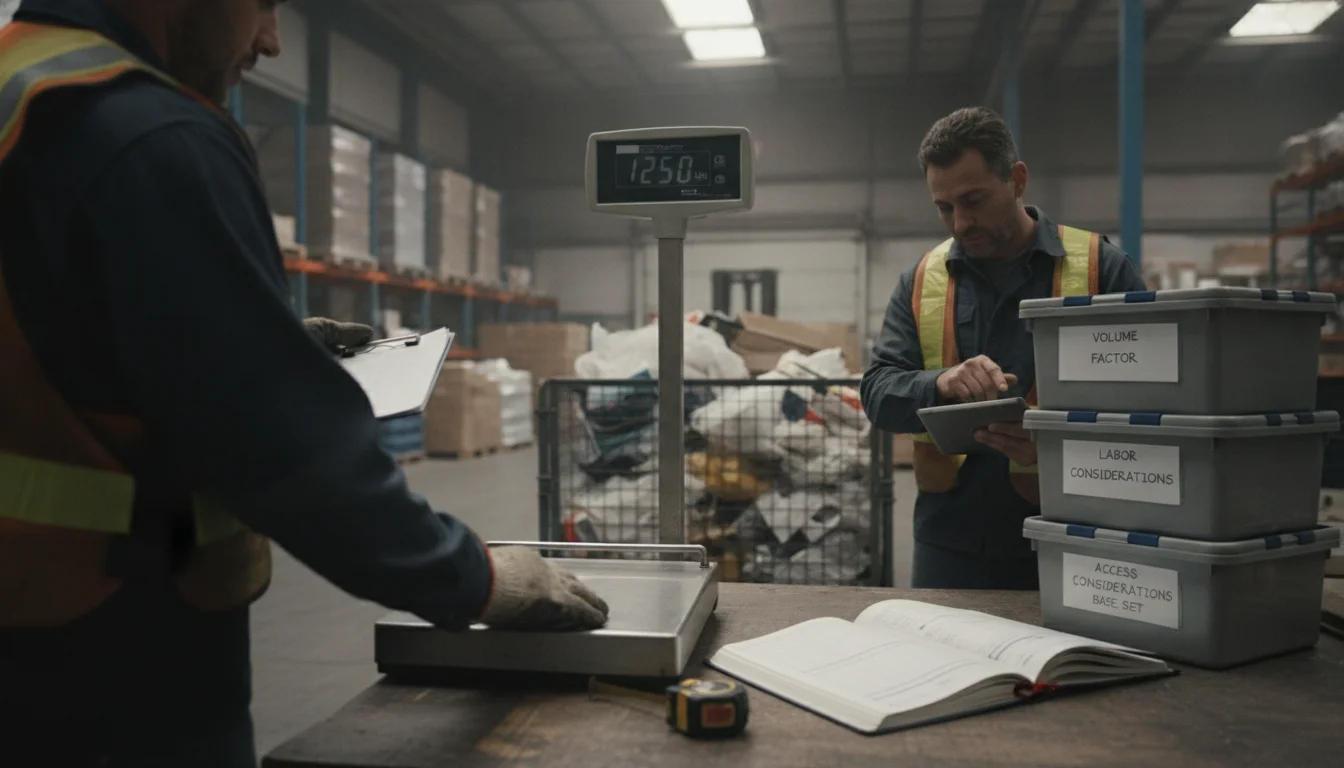
Cleanup costs vary with volume, labor, and access. Volume reflects how much space debris occupies in a truck or container. Labor covers the time and crew needed to move, dismantle, and load. Access factors include dock availability, elevator use, stairs, and travel distance from zone to truck.
Material mix also impacts cost. Pallets, racking, and metals may reduce disposal expense thanks to scrap value, while loose mixed trash generally costs more to dump. E-waste and hazardous materials require specialized handling, which adds time and vendor fees. After-hours work, tight timelines, or additional security procedures can also affect the total.
Site rules can influence the plan. Landlord limits on truck size or operating hours may increase truck cycling and duration. Escort requirements can restrict crew size per area. Weather can slow outdoor staging. A solid team accounts for these factors up front so surprises are rare.
Ask how the provider measures loads. Some use truck fractions; others quote by item or by zone. For dense debris, weight may be used when nearby scales exist. The provider should explain their method and how you can verify it.
Volume, labor, and access factors
These three inputs set the baseline. Materials, timing, security, and site rules adjust the final figure.
Line items you should expect on a quote
- Project scope and areas covered
- Crew size and expected hours
- Equipment included (lifts, carts, PPE)
- Material streams and disposal partners
- Scheduling notes and access plan
- Documentation to be provided
What scheduling options minimize downtime for operations?
Pros tailor plans to your shifts. Many clean during after-hours or weekends. Quiet periods allow clear lanes and faster loading. Phased work keeps part of the floor open while one zone is cleared. Signage and cones separate live traffic from work zones.
If you must stay open, teams stage in small areas, closing a single aisle, clearing it, then reopening it before moving on. They coordinate with your dock. If a carrier hits the door, crews pause. When space opens, loads move out promptly.
Busy facilities benefit from extra checks. Daily huddles set targets and times. Radios keep supervisors aligned. If a carrier blocks a dock, plans pivot to a side door or lift gate. Box trucks help when semis can’t make the approach.
Some operations use night/day handoffs. Day staff tag and prep stacks; night staff load and haul. Notes and photos keep the plan consistent across shifts.
After-hours and phased cleanouts
Work during quiet windows and use zones so your operation continues moving safely.
Coordination with facility and carriers
Share dock windows and live load times. Align breaks and truck cycles to keep freight and cleanup flowing.
How should you prepare your facility before the crew arrives?
Good preparation accelerates the job and reduces risk. Start with a clear keep/remove plan. Use tags or tape—green for keep, red for remove. Mark fragile or time-sensitive items. Remind staff not to place new stock in tagged areas.
Relocate live product out of the work path. Clear a staging area by the dock. If you have a baler, bale cardboard beforehand; if not, the crew will bundle it. Ensure restrooms and break rooms remain open for your team.
Share site rules early. Security procedures, PPE requirements, and off-limits areas help the crew integrate quickly. Arrange badges if required. Provide a single point of contact for decisions.
Walk the dock and lot. Mark low lines or pipes, tight turns, and no‑park areas. Check lighting inside and outside—good visibility speeds work and reduces incidents.
Clear-to-keep vs. remove tagging
Simple, visible tags eliminate guesswork and prevent accidental removal of critical items.
Site readiness checklist for a faster cleanup
- Tag keep/remove on racks, pallets, and equipment
- Open clear paths from zones to the dock
- Reserve dock spots and set wheel chocks
- Share shift times and carrier windows
- Stage bins for cardboard, metal, and film
- Confirm badges, escorts, and site contacts
Frequently Asked Questions
Do junk removal companies take couches and office furniture from warehouses?
Yes. Crews remove couches, chairs, desks, and break room sets. They protect doors and floors, then load items by size. Many donate usable pieces and recycle metals. A warehouse cleanup service can include this as part of a larger clear‑out.
Where can I throw away big furniture from a commercial site?
Oversized items may not be accepted at regular dumpsters, depending on local rules. Use a commercial junk removal team or a transfer station that accepts bulky waste. Pros handle loading, transport, and disposal rules, so your staff can stay focused on core work.
Are there junk removal packages for entire facilities?
Yes. Many providers offer full cleanouts by zone or by building. Packages can include rack teardown, pallet stacks, electronics, and loose debris. They also plan after‑hours work and dock schedules so your operation keeps moving.
How do I get rid of old electronics and IT gear?
Keep e‑waste separate. Remove or wipe hard drives per your policy. Pack devices in lined bins. An e‑waste recycler can manage the chain of custody and provide a certificate.
Where do I take tree branches or pallets near me?
Tree branches go to green waste or city drop‑off sites. Pallets can be recycled, resold, or chipped. A local team in Waukesha can pick them up and sort them by grade as part of a scheduled service.
Key takeaways
- Plan the walkthrough and scope. Clear goals speed work and reduce risk.
- Sort early and often. Pallets, metals, and cardboard move faster when staged right.
- Prioritize safety. Follow OSHA rules, use PPE, and protect docks and floors.
- Handle special waste correctly. Use approved partners for e‑waste and hazmat.
- Schedule smart. After‑hours or phased plans keep your floor productive.
Conclusion
Waukesha WI Junk Removal serves facilities across Waukesha with safe, efficient plans for pallets, racking, and bulky debris, plus clear documentation when you need it. The team can also coordinate Commercial Junk Removal, Construction Debris Removal, Appliance Removal, Estate Cleanout, and Shed Removal & Demolition to support a full facility refresh. Contact us to schedule a warehouse cleanup that fits your hours and keeps operations moving.
If you are not sure which of these you are dealing with, it is worth having someone look at it before it turns into a bigger job. Get in touch with Waukesha WI Junk Removal today and we will tell you where you stand.